The Complete Guide to Simple Sunflower Pattern Designs: EPS and PNG Downloads Explained
Sunflowers have long been celebrated for their vibrant beauty, symbolic meaning, and unmistakable cheerfulness. In the world of digital design, the simple sunflower pattern has emerged as a favorite motif for everything from branding materials to home décor projects. But if you're new to downloading and using these patterns, the array of file formats—especially EPS and PNG—can be confusing. This guide breaks down everything you need to know about simple sunflower pattern designs, the differences between EPS and PNG files, and how to choose and use these downloads effectively. Whether you're a hobbyist crafter, a small business owner, or a seasoned graphic designer, understanding these details will help you make informed choices and get the most out of your sunflower pattern assets.
What Is a Simple Sunflower Pattern Design?
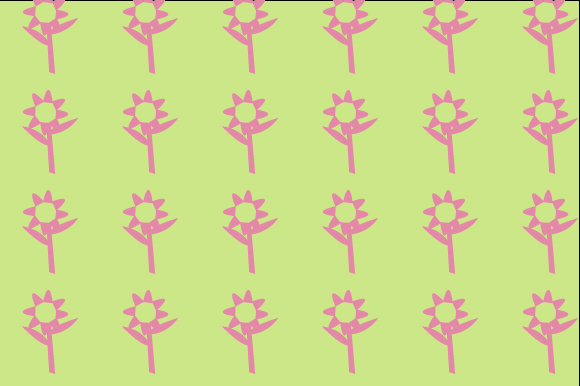
A simple sunflower pattern design is a repeating or standalone decorative motif featuring stylized sunflowers. The "simple" label typically indicates minimalistic linework, clean shapes, and an uncluttered composition—avoiding overly intricate details while still capturing the essence of the sunflower. These patterns often include elements like petals, seed centers, leaves, and stems arranged in a consistent repeat or as a single focal illustration.
These designs are versatile because they strike a balance between recognizable floral imagery and modern simplicity. They can be used as backgrounds, fabric prints, stationery accents, or digital overlays without overwhelming other visual elements. The popularity of simple sunflower patterns has grown in recent years, driven by trends in minimalist design, natural aesthetics, and the widespread use of botanical motifs in branding and social media.
Key Characteristics of Simple Sunflower Patterns
- Clean lines: The artwork uses smooth, uncomplicated strokes rather than heavy shading or complex gradients.
- Repeating or standalone: You'll find both seamless repeating tiles (ideal for wallpaper or fabric) and single illustrations (perfect for logos or cards).
- Neutral or warm color palettes: Yellows, browns, greens, and whites are common, often paired with soft backgrounds.
- Scalable vector or high-res raster: Depending on the file format, the design can be resized without losing quality or is delivered as a crisp image.
Understanding EPS vs. PNG Files: What's the Difference?
When you download a simple sunflower pattern design, you'll almost always encounter two common file types: EPS and PNG. Each serves a distinct purpose, and knowing when to use one over the other is crucial for your project's success.
EPS Files: The Vector Powerhouse
EPS stands for Encapsulated PostScript. It is a vector file format that stores artwork as mathematical paths rather than pixels. This means an EPS file can be scaled to any size—from a tiny icon to a massive billboard—without any loss of sharpness or detail. EPS files are the standard choice for professional designers and print production.
Advantages of EPS:
- Infinite scalability: Resize your sunflower pattern to any dimension without pixelation.
- Editable paths: Using vector editing software like Adobe Illustrator, you can change colors, adjust shapes, or rearrange elements.
- Transparency support: EPS files can contain transparent backgrounds, making them ideal for layering.
- Industry standard: Print shops, screen printers, and commercial manufacturers typically request vector files for production.
When to use EPS: Use an EPS file when you need to create large-format prints, customize the design, or maintain perfect quality at any scale. It's the best choice for logos, signage, fabric printing, and professional branding materials.
PNG Files: The Pixel-Perfect Raster
PNG stands for Portable Network Graphics. It is a raster file format, meaning it is made up of a fixed grid of pixels. PNGs support high resolutions (often 300 dpi for print) and transparent backgrounds. They are widely used for web graphics, digital presentations, and quick projects where vector editing is not required.
Advantages of PNG:
- Wide compatibility: Almost every device, browser, and application opens PNG files without special software.
- Transparency: Like EPS, PNG supports transparent backgrounds, which is excellent for overlaying on different surfaces.
- Ready to use: You can drag a PNG into a document or website immediately—no editing needed.
- High quality at fixed size: A well-saved PNG (300 dpi) is crisp for standard print and digital use.
When to use PNG: Choose PNG when you need a quick, ready-to-use image for social media, presentations, digital invitations, or small-format printing (like stickers or business cards). Avoid PNG if you plan to enlarge the design significantly, as it will become pixelated.
Why Choose a Simple Sunflower Design?
Sunflowers carry deep symbolism. They represent loyalty, warmth, positivity, and growth. A simple sunflower pattern design harnesses these associations while remaining visually accessible. Here are a few reasons why designers and creators gravitate toward this motif:
- Universal appeal: Sunflowers are recognized and loved across cultures, making them an inclusive design choice.
- Easy to pair: The simple shapes and warm tones complement many other patterns, textures, and color schemes.
- Timelessness: Unlike trendy patterns that fade, sunflowers remain a classic botanical subject.
- Versatility: From rustic farmhouse aesthetics to modern bohemian styles, a simple sunflower pattern adapts easily.
For example, a small bakery might use a subtle sunflower pattern on its packaging to evoke feelings of homemade warmth and natural ingredients. A wedding planner might incorporate a seamless sunflower tile into invitations for a summer celebration. In education, a teacher could use a sunflower pattern as a background for classroom materials, bringing a cheerful tone to worksheets or bulletin boards.
Practical Applications of Simple Sunflower Patterns in Modern Life
Simple sunflower pattern designs have found their way into countless areas of daily life, work, and creativity. Let's explore some of the most common and inspiring uses.
Business and Branding
Small businesses—especially those in wellness, organic food, floristry, and handmade crafts—often use sunflower patterns to convey authenticity and approachability. An EPS file allows them to scale the pattern for everything from a tiny logo on a business card to a large storefront sign. A PNG version can be quickly uploaded to social media profiles or used in email headers.
Home Décor and DIY Crafts
With a downloadable sunflower pattern, DIY enthusiasts can create custom throw pillow covers, wall art, decoupage furniture, or scrapbook pages. PNG files are especially convenient for printing at home on adhesive paper or fabric transfer sheets. For larger projects like wallpaper or upholstery, an EPS file ensures seamless repeats and professional results.
Digital Design and Social Media
Content creators, bloggers, and influencers frequently use sunflower patterns as backgrounds for Instagram posts, YouTube thumbnails, or blog headers. The PNG format's transparency makes it easy to layer text or other graphics on top of the pattern without messy edges.
Education and Classroom Materials
Teachers can incorporate sunflower patterns into worksheets, name tags, classroom posters, or digital presentations. The simple, cheerful design appeals to children and creates a positive learning environment. EPS files allow educators to resize the pattern to fit different page formats perfectly.
Event Planning and Stationery
Weddings, baby showers, and garden parties often feature sunflower motifs. Invitations, place cards, menus, and thank-you notes can all be enhanced with a consistent pattern. Both EPS and PNG formats come in handy here: EPS for professional printing runs, and PNG for quick digital versions or last-minute edits.
Clarifying Common Misunderstandings About File Formats
Many beginners assume that PNG is always inferior to EPS, or that vector files are only for professionals. Neither is entirely true. Here are a few clarifications to help you choose wisely:
- Misunderstanding: "PNG is low quality." A 300 dpi PNG is perfectly suitable for high-quality print at standard sizes. The quality issue arises only when you enlarge a PNG beyond its original dimensions.
- Misunderstanding: "EPS files are hard to use." While EPS files do require vector editing software (like Adobe Illustrator, CorelDRAW, or free alternatives like Inkscape), many online preview tools and some word processors can display them. For editing, you need the right tools, but for viewing, it's often fine.
- Misunderstanding: "You need to be a designer to use EPS." Not at all. With free software like Inkscape, anyone can open, resize, and even recolor an EPS file. Many download sites also provide instructions.
- Misunderstanding: "All sunflower patterns are the same." Simple sunflower patterns vary widely in style—from geometric and abstract to organic and detailed. Always preview the design before downloading to ensure it matches your vision.
How to Download and Use Simple Sunflower Pattern Files
Once you've found a sunflower pattern you love, the download and usage process is straightforward. Here's a step-by-step approach for both file types.
Downloading and Using an EPS File
- Download: Save the EPS file to your computer. It may be compressed in a ZIP folder—extract it first.
- Open in vector software: Use Adobe Illustrator, CorelDRAW, or free Inkscape to open the file.
- Edit as needed: Change colors, adjust scale, rotate elements, or combine with other designs. The layers and paths remain fully editable.
- Export for your project: Save a copy as a PDF for print, or export as a PNG or JPEG for digital use. If you need a seamless pattern, ensure the tile settings are correct.
- Send to production: For physical products, provide the EPS or a high-resolution PDF to your printer.
Downloading and Using a PNG File
- Download: Save the PNG file directly. Check that the resolution (e.g., 300 dpi) matches your intended use.
- Open in any image viewer or editor: PNGs open in nearly any app—Photoshop, Canva, Preview, or even Microsoft Word.
- Place in your document: Drag and drop the PNG onto your canvas. If it has a transparent background, it will layer seamlessly.
- Resize with care: Avoid enlarging the PNG beyond its original pixel dimensions. Shrinking is fine, but scaling up will degrade quality.
- Print or upload: Use the PNG directly for digital screens or small-format print projects.
Tips for Getting the Most Out of Your Sunflower Pattern
- Always preview the full design: Check the pattern repeat, color accuracy, and overall composition before purchasing or downloading.
- Consider your color scheme: If the pattern uses specific yellows and greens, make sure they harmonize with your existing palette.
- Keep it simple: The beauty of a "simple" sunflower pattern is its restraint. Don't overcrowd your project with competing patterns or heavy text.
- Test before committing: Print a small sample or create a digital mockup to see how the pattern behaves in your context.
- License matters: Always check the license terms. Many free downloads are for personal use only, while paid files may include commercial rights.
Broader Understanding: The Role of Pattern Design in Creativity and Business
Patterns are more than decoration—they communicate mood, identity, and attention to detail. A simple sunflower pattern can transform a plain product into something memorable. In business, consistent use of a pattern across packaging, website, and marketing materials builds brand recognition. In education, patterns create visual structure and appeal. In daily life, they let us personalize our surroundings with beauty and meaning.
The availability of EPS and PNG downloads has democratized design. You no longer need to be a professional illustrator to access high-quality artwork. With a single download, you can bring a sunflower pattern into your project in minutes. This accessibility empowers small businesses, educators, hobbyists, and designers alike to create polished, professional-looking results.
Conclusion
Simple sunflower pattern designs offer a delightful way to add warmth, positivity, and natural beauty to any project. Understanding the difference between EPS and PNG files is the key to choosing the right format for your needs. EPS gives you unlimited scalability and editability, while PNG offers convenience and broad compatibility. By selecting the appropriate file type and following best practices, you can confidently use these patterns in branding, crafting, education, or digital content creation. Whether you're designing a logo, decorating a room, or brightening up a classroom, a simple sunflower pattern can be the perfect touch—and now you have the knowledge to make it work seamlessly.