The Art of Sushi and Sashimi: Understanding the Culinary Tradition and Unlocking Creative Design Possibilities
When you hear the words sushi and sashimi, your mind likely drifts to beautifully arranged plates of fresh fish, perfectly seasoned rice, and the delicate artistry that defines Japanese cuisine. But these iconic dishes are more than just food—they represent centuries of tradition, precision, and cultural expression. Today, the visual appeal of sushi and sashimi has also inspired a vibrant world of digital design, where creators, food bloggers, restaurateurs, and graphic designers use high-quality imagery to bring these culinary masterpieces to life. Whether you are a food enthusiast eager to understand the nuances of authentic Japanese dining or a designer seeking top-tier visual assets, exploring the intersection of tradition and creative resources offers a rich and rewarding experience.
What Exactly Are Sushi and Sashimi? A Clear Distinction
Many people use the terms sushi and sashimi interchangeably, but they refer to distinctly different dishes. Understanding the difference is the first step toward appreciating Japanese cuisine on a deeper level.
Sushi: The Art of Vinegared Rice
Sushi is defined by its foundation: vinegared rice, known as sushi-meshi. The rice is seasoned with rice vinegar, sugar, and salt, then combined with various ingredients such as raw or cooked seafood, vegetables, and sometimes tropical fruits. Sushi comes in many forms, including nigiri (hand-pressed rice topped with fish), maki (rolled rice and fillings wrapped in seaweed), temaki (hand-rolled cones), and chirashi (scattered sushi in a bowl). The rice is the star—without it, it is not sushi.
Sashimi: Pristine Slices of Fresh Fish
Sashimi, on the other hand, is thinly sliced raw fish or seafood served without rice. The focus here is entirely on the quality and freshness of the ingredient itself. Sashimi is often accompanied by soy sauce, wasabi, pickled ginger, and garnishes like shiso leaves or daikon radish. The knife skills required to prepare sashimi are extraordinary—each slice must be cut to enhance texture and flavor. While sushi often includes raw fish, sashimi is purely about the fish or seafood, making it a purist's choice for those who want to experience the ingredient's natural essence.
The Cultural Significance of Sushi and Sashimi in Japanese Cuisine
Japanese food culture, or washoku, is built on principles of seasonality, simplicity, and respect for ingredients. Sushi and sashimi embody these values perfectly. Sushi originated centuries ago as a method of preserving fish by fermenting it with rice, but over time it evolved into the fresh, artful dish we know today. Sashimi, meanwhile, has roots in the Japanese tradition of eating raw fish as a celebration of pristine quality.
Both dishes are deeply tied to the Japanese aesthetic of shun—eating ingredients when they are at their peak seasonal flavor. A sushi chef, or itamae, trains for years to master the subtle techniques of rice preparation, fish selection, and knife work. Every piece is crafted to balance taste, texture, temperature, and visual presentation. This level of craftsmanship is why sushi and sashimi are often associated with high-end dining and special occasions.
Why Sushi and Sashimi Have Captured Global Attention
Over the past few decades, sushi and sashimi have become beloved worldwide. From bustling Tokyo street stalls to Michelin-starred restaurants in New York and London, these dishes have transcended cultural boundaries. Their appeal lies not only in their fresh, delicate flavors but also in their health benefits. Sushi and sashimi are rich in omega-3 fatty acids, high-quality protein, and essential vitamins, making them a smart choice for health-conscious diners.
Moreover, the visual beauty of these dishes is undeniable. Vibrant orange salmon, deep red tuna, creamy white scallops, and glossy mackerel are arranged like edible art. The contrast of textures—silky fish, firm rice, crisp seaweed, and crunchy vegetables—creates a multi-sensory experience that is as pleasing to the eyes as it is to the palate. This visual appeal has made sushi and sashimi a favorite subject for food photographers, social media influencers, and content creators.
The Role of Visual Assets in the Modern Food Industry
In today's digital world, the way food is presented visually can make or break a brand. Restaurants, food bloggers, cookbook authors, and marketing professionals all rely on stunning imagery to attract audiences and convey quality. Sushi and sashimi, with their intricate colors and elegant plating, are especially photogenic subjects. High-quality images of sushi rolls, sashimi platters, and Japanese ingredients can elevate a website, menu, social media feed, or advertising campaign.
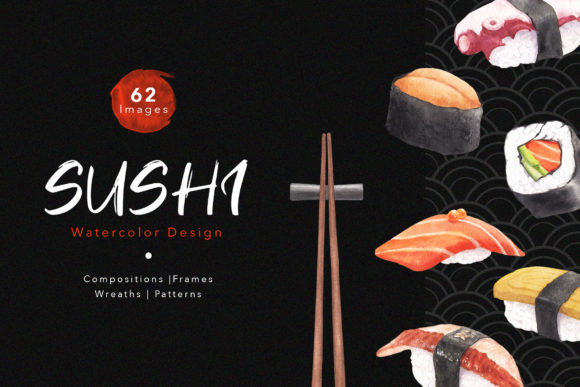
This is where professional design resources come into play. A sushi and sashimi Japanese food design set—such as the one described in the introduction—provides creators with ready-to-use, high-resolution elements that save time while ensuring visual consistency and impact. Whether you are designing a restaurant website, creating promotional materials for a food festival, or crafting content for a cooking blog, having access to premium PNG files, patterns, frames, and wreaths allows you to focus on storytelling rather than starting from scratch.
What a Premium Sushi and Sashimi Design Resource Includes
Let us take a closer look at what a comprehensive design set for sushi and sashimi typically contains. A high-quality collection, like the one referenced earlier, offers a versatile library of assets that can be used across print and digital media. Here is what you can expect from a well-curated set:
62 Files of Pure Creative Potential
This particular set includes 62 files, each designed to meet professional standards. From individual elements to full compositions, the variety ensures that you have everything you need for any project.
High Resolution at 300 DPI
All elements are rendered at 300 DPI, which is the industry standard for high-resolution printing. Whether you are producing a large-format poster, a menu card, or a digital banner, your images will remain crisp and detailed.
Transparent Background PNGs
Every PNG file comes with a transparent background, making it effortless to layer images without messy cutouts. This is especially valuable for graphic designers who need to place sushi and sashimi visuals into custom layouts, brochures, or social media graphics.
32 Single Elements
These are individual PNG files featuring specific sushi and sashimi items—perhaps a single piece of nigiri, a slice of salmon sashimi, a soy sauce dish, or a bundle of chopsticks. Single elements give you maximum flexibility to compose your own scenes.
12 Composition Images
These are large, ready-made compositions that exceed 2 MB each. They are perfect for hero images, blog headers, or as polished visuals that require minimal additional editing. Think of a beautifully arranged sushi platter or a close-up of assorted sashimi on a wooden board.
6 Seamless Patterns in JPG, PNG, and PSD
Seamless patterns are a designer's secret weapon. These 2362x2362 pixel patterns can be used as backgrounds, wrapping paper, fabric designs, or website textures. The PSD file even allows you to change the background color while keeping the artwork transparent—a huge time-saver.
6 Large Frames
Frames are essential for creating invitations, menus, certificates, or social media posts. These frames are large, exceeding 4 MB, so they maintain their quality even when scaled. A frame adorned with sushi rolls or cherry blossoms can instantly set a Japanese theme.
12 Wreaths
Wreaths are decorative arrangements of elements arranged in a circular or oval shape. These 12 wreaths are over 5 MB each, providing lush, detailed designs that can frame text, highlight a logo, or serve as standalone art. A sushi-themed wreath might feature nigiri, edamame, chopsticks, and sake cups intertwined with greenery.
Practical Applications for Designers and Content Creators
If you are a graphic designer, food blogger, restaurateur, or social media manager, a dedicated sushi and sashimi design set opens up countless possibilities. Here are just a few ways you can put these assets to work:
- Restaurant Menus: Use high-resolution composition images and frames to create a visually stunning menu that reflects the quality of your cuisine.
- Social Media Content: Layer single elements over bright backgrounds to create eye-catching Instagram posts, Pinterest pins, or Facebook ads.
- Website Design: Incorporate seamless patterns as background textures and wreaths as decorative accents for your homepage or blog layout.
- Print Materials: Design flyers, posters, business cards, and takeaway packaging with transparent PNGs for a professional finish.
- Cookbooks and E-books: Use composition images and frames to illustrate recipes, chapter headings, and cover pages.
- Presentations: Elevate your pitch decks or culinary school presentations with cohesive, themed visuals that impress clients or instructors.
Best Practices for Using Sushi and Sashimi Visuals
To make the most of your design assets, keep a few best practices in mind. First, always consider your audience. If you are designing for a high-end sushi bar, choose elegant, minimalist compositions that emphasize quality. For a casual food blog, brighter colors and playful arrangements might work better. Second, maintain visual consistency across your materials. Using the same set of elements ensures that your brand identity remains cohesive. Third, take advantage of the transparent backgrounds to layer textures, patterns, and images thoughtfully. Avoid cluttering your design; let the beauty of the sushi and sashimi shine through.
Another tip: use the PSD file to adjust background colors to match your brand palette. This small customization can make a huge difference in how professional your final product looks. And because all files are 300 DPI, you can print confidently without worrying about pixelation or blur.
Common Misunderstandings About Sushi and Sashimi
Before we wrap up, let us clear up a few common misconceptions. First, not all sushi contains raw fish—many varieties feature cooked ingredients like shrimp tempura, eel, or tamago (egg). Second, sashimi is not the same as sushi; as we covered, sashimi is simply sliced raw fish without rice. Third, wasabi served with sushi and sashimi is often imitation horseradish, not real wasabi—though authentic wasabi is a delicacy in its own right. Finally, the visual representation of these dishes in design assets should aim to reflect their authentic beauty. A good design set captures the real textures, colors, and elegance of Japanese cuisine, rather than resorting to cartoonish or overly stylized interpretations.
Bringing It All Together
Sushi and sashimi are more than just popular foods—they are cultural treasures that embody precision, freshness, and artistry. Whether you are enjoying a plate of expertly sliced sashimi at a traditional ryotei or scrolling through a beautifully designed restaurant website, the visual and culinary experience is deeply connected. For designers, having access to a premium collection of sushi and sashimi-themed assets means you can communicate that same sense of quality and tradition through your work.
The set described here—with its 62 high-resolution files, transparent PNGs, seamless patterns, frames, and wreaths—is a comprehensive toolkit for anyone who wants to create stunning Japanese food-inspired designs. By understanding both the culinary roots and the creative potential of these elements, you can produce work that resonates with audiences, honors the culture, and stands out in a crowded digital landscape. Whether you are a seasoned designer or a food lover exploring creative projects, this fusion of tradition and design offers endless inspiration.
So next time you see a beautiful image of sushi and sashimi, take a moment to appreciate the skill that goes into both the dish and the design. And if you are ready to start creating, a thoughtfully curated asset set might be the perfect ingredient to bring your vision to life.