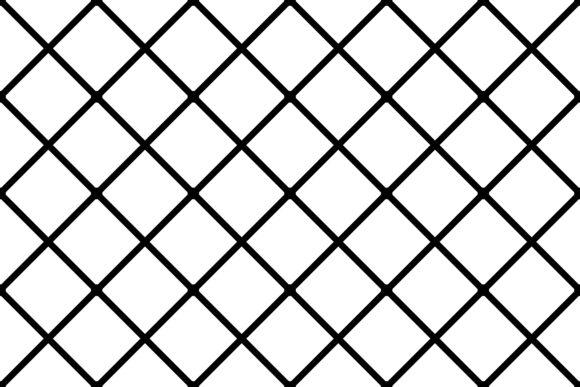
Diagonal Square Tile Pattern: A Monochrome Workhorse for Modern Design
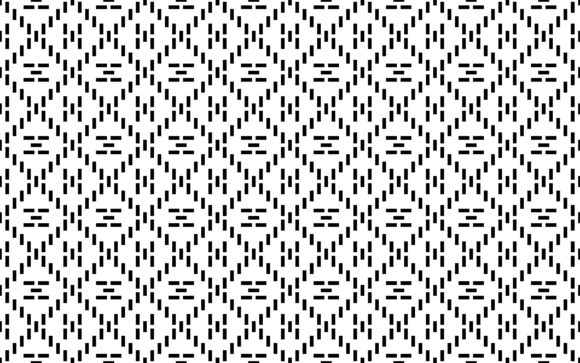
There is something quietly addictive about the diagonal square tile pattern. It is simple on the surface — a grid of squares turned at a 45-degree angle — but that small shift in orientation changes everything. The straight lines become dynamic. The rhythm feels less predictable. And when you render it as a seamless vector in black on white, you end up with a design asset that sneaks into more places than you might expect.
People who work with visual materials — whether they are graphic designers, product developers, interior decorators, or small business owners — often find themselves circling back to this pattern. It is not flashy, but it is reliable. And in a world that keeps chasing the next bold trend, there is real value in something that quietly gets the job done across dozens of different scenarios.
What Makes This Pattern Different from a Standard Grid
Straight, upright squares feel orderly. They belong in spreadsheets, architecture blueprints, and minimalist offices. But the moment you rotate those same squares by 45 degrees, the eye treats them differently. The pattern now suggests movement. It creates a sense of depth, almost like a three-dimensional surface is forming on a flat background.
That is the key appeal of the diagonal square tile pattern. It retains the structure and repeatability of a grid, but it sheds the stiffness. Designers often describe it as "ordered enough to be reliable, but angled enough to feel alive." For anyone trying to balance professionalism with visual interest, this is a sweet spot worth exploring.
The seamless vector format adds another layer of utility. Because the pattern tiles perfectly without visible seams, it can stretch across large surfaces or repeat endlessly in digital mockups without breaking the illusion. That matters when you are preparing files for printing, fabric application, or wallpaper installation.
Textile and Fashion Design
Fabric designers are among the heaviest users of diagonal patterns. The angled geometry works well on scarves, shirts, dresses, and even accessories like tote bags or headbands. Because the pattern is monochrome, it pairs easily with solid-colored garments or layered outfits. A black-and-white diagonal square motif on a cotton blend can read as edgy or classic depending on the cut and styling.
Small fashion brands experimenting with capsule collections often use this pattern as a signature print. It is distinctive enough to stand out on a rack but neutral enough to avoid alienating customers who prefer understated looks. For print-on-demand sellers, the seamless vector format means they can upload one clean file and apply it across multiple product mockups without reworking the artwork.
Home Interiors and Wallpaper
Interior designers reach for diagonal square tile patterns when they want to introduce geometry without overwhelming a room. A feature wall papered in black-and-white diagonal squares can add just enough visual tension to balance soft furniture or neutral flooring. In smaller spaces like powder rooms or entryways, the pattern creates the illusion of expanded space because the diagonal lines pull the eye outward.
It also works well as a backsplash or accent surface in modern kitchens. The monochrome look fits seamlessly into industrial, Scandinavian, or minimalist aesthetics. And because the pattern is tile-based, the transition from digital design to physical material is easier to visualize. Homeowners can see exactly how the repetition will behave before committing to installation.
Packaging and Wrapping
Product packaging benefits from patterns that are recognizable but not distracting. A black-and-white diagonal square motif on a box, bag, or wrapping paper signals a modern, design-conscious brand. It works especially well for unboxing experiences where the packaging itself becomes part of the product narrative.
Small businesses that sell artisanal goods, stationery, or home accessories often use this pattern for their wrapping materials. It offers a consistent look across different package sizes without requiring custom artwork for each one. The seamless tile means the pattern wraps cleanly around corners and edges without awkward alignment issues.
Digital Backgrounds and Mockups
Content creators and web designers frequently use diagonal square patterns as subtle backdrops for product photography, social media graphics, or video call backgrounds. The black-and-white geometry adds texture without competing with foreground elements. It reads as polished and intentional, especially when the rest of the composition is minimal.
If you have ever seen a sleek product shot on Instagram with a repeating geometric pattern behind the item, there is a good chance it was a diagonal square tile pattern. It provides just enough structure to anchor the subject without overwhelming the frame.
Graphic Designers and Illustrators
Designers working on editorial layouts, brand guidelines, or pattern libraries often keep a diagonal square tile in their toolkit. It serves as a go-to texture when a project needs a background that feels both technical and artistic. Because it scales easily, it can be used for everything from full-page spreads to tiny icon fills.
Surface Pattern Designers
Professionals who create repeating patterns for fabric, wallpaper, and product surfaces love the diagonal square for its repeatability. The geometry is forgiving, meaning slight variations in scale or rotation still yield clean results. It also layers well with other patterns, like stripes or florals, without clashing visually.
Home DIY Enthusiasts
Homeowners and renters looking to refresh a space without spending a fortune often turn to removable wallpaper or decals. The black-and-white diagonal square pattern is popular among this group because it looks custom without requiring a designer. A single accent wall or a small backsplash area can transform a room with relatively low commitment.
Small Business Owners and E-Commerce Sellers
Entrepreneurs selling physical goods — from candles to T-shirts to phone cases — need packaging and branding that looks intentional. A seamless diagonal pattern gives them a professional visual identity without hiring a design agency. It works across product lines and can be printed on hang tags, stickers, boxes, and bags with consistent quality.
Practical Considerations Before Using It
Scale matters more than most people realize. A diagonal square tile pattern that looks balanced on a phone screen can feel chaotic on a wall or dull on a scarf. Before committing to a final file, it is worth testing the pattern at the actual intended size. Many vector files allow for easy scaling, but the visual density changes dramatically depending on how large or small the tiles appear.
Contrast is another factor. Black on white is crisp and readable, but it may feel too harsh for some applications. Softening the black to a dark charcoal or adding a subtle gray tone to the background can make the pattern feel more approachable without losing its geometric character. Designers sometimes create multiple versions of the same tile at different contrast levels so they can adapt to various substrates and lighting conditions.
The direction of the diagonal also influences perception. A pattern that tilts to the right can feel forward-moving or energetic, while a leftward tilt might feel more introspective or calm. This is subtle, but in branding contexts, even small directional choices can reinforce a brand's personality.
Strengths
- Versatility across media. The pattern works digitally, in print, on fabric, and on hard surfaces without losing its integrity.
- Low visual noise. Because it is monochrome and geometric, it does not compete with typography, logos, or product imagery.
- Easy to scale and modify. Vector files keep the pattern clean at any size, and it can be rotated, repeated, or color-adjusted quickly.
- Timeless appeal. Unlike trend-driven prints, a black-and-white geometric pattern rarely looks dated. It adapts to changing aesthetics without needing a redesign.
Limitations
- Monochrome can feel sterile. In spaces or products that call for warmth or organic texture, the stark black-and-white palette may feel cold. Adding a third color or using a softer black can help, but the pattern itself offers limited tonal variety.
- Alignment requires care. When applying the pattern to physical surfaces, especially around corners, edges, or odd shapes, precise alignment is necessary to maintain the seamless effect. Misalignment can break the illusion quickly.
- Not ideal for formal or traditional settings. The diagonal square reads as modern and sometimes edgy. It may not suit classic interiors, conservative corporate branding, or heritage-focused product lines.
- Overuse can dilute impact. Because the pattern is so accessible, it appears in many places. Relying on it heavily without differentiation can make a brand feel generic rather than distinctive.
Bringing It All Together
The diagonal square tile pattern, especially in its seamless black-on-white vector form, occupies a unique place in the design world. It is neither trendy nor timeless in the traditional sense — it is practically useful across a wide range of industries and applications. Whether you are building a brand identity, decorating a room, designing a fabric collection, or packaging a product, this pattern offers a reliable foundation that does most of the heavy lifting on its own.
The best uses come from people who understand not just how the pattern looks, but how it behaves in context. Scale, contrast, direction, and substrate all influence the final result. When those variables are handled thoughtfully, the diagonal square pattern transforms from a simple geometric repeat into a versatile design element that serves real functional and aesthetic needs.
For anyone exploring this pattern for the first time, the smartest approach is to start with a high-quality seamless vector file, test it in your specific application at full scale, and experiment with subtle variations until the balance feels right. The pattern will do the rest.